
Understanding Head and Neck Trauma: Causes and Emergency Importance
Head and neck trauma refers to any physical injury affecting the skull, brain, face, cervical spine, or soft tissues of the neck. It is one of the most critical medical emergencies because injuries in this region can affect breathing, blood flow to the brain, and neurological function. Common causes include road traffic accidents, falls, sports injuries, physical assaults, and workplace accidents. The severity of head and neck trauma ranges from minor cuts and bruises to life-threatening conditions such as skull fractures, brain hemorrhage, spinal cord injury, or damage to major blood vessels like the carotid artery. Because vital structures including the airway, spinal cord, and major nerves are located here, prompt and accurate assessment is essential. At Lifeline Hospital, Silchar, we are equipped with advanced trauma care facilities and a dedicated team to manage head and neck injuries with precision and speed, minimizing the risk of long-term disability or death.
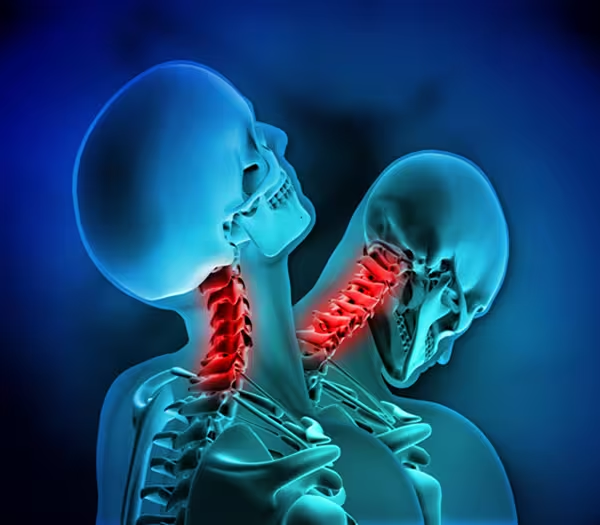
Common Types of Head and Neck Injuries
Head trauma includes injuries to the scalp, skull, and brain. Scalp wounds often bleed heavily due to rich blood supply but may heal well with proper care. Skull fractures can be linear, depressed, or basilar, with basilar fractures often showing signs like bruising behind the ears or around the eyes. Brain injuries range from mild concussions to severe contusions, hematomas (epidural, subdural, or intracerebral), and diffuse axonal injury, which can cause prolonged unconsciousness or coma. Neck trauma includes injuries to the cervical spine such as fractures or dislocations that may lead to paralysis if the spinal cord is compressed. Penetrating neck injuries can damage the airway, esophagus, thyroid gland, major blood vessels, or nerves controlling voice and swallowing. Blunt neck trauma, such as from a seatbelt or chokehold, can cause laryngeal fractures, tracheal injury, or carotid artery dissection leading to stroke. Early recognition of these injuries through clinical examination and imaging like CT scans is critical for guiding treatment.
Signs and Symptoms That Require Immediate Medical Attention
Patients with head and neck trauma may present with a wide range of symptoms depending on the severity and location of the injury. Warning signs of serious head injury include loss of consciousness, even for a few seconds, persistent or worsening headache, repeated vomiting, seizures, unequal pupil size, clear fluid or blood draining from the nose or ears, inability to wake up, slurred speech, weakness or numbness in any part of the body, confusion or unusual behavior, and memory loss. Signs of neck injury include severe neck pain or tenderness, swelling or bruising on the neck, difficulty breathing, hoarse voice or inability to speak, difficulty swallowing, coughing up blood, visible deformity of the neck, and any numbness, tingling, or weakness in the arms or legs, which may indicate spinal cord involvement. Any patient with these symptoms after trauma should be taken to a hospital with emergency and trauma care facilities immediately. Do not move the patient unnecessarily, especially if a neck injury is suspected, as improper movement can worsen spinal cord damage.
Advanced Diagnostic and Treatment Approaches
At Lifeline Hospital, Silchar, we follow a systematic approach to managing head and neck trauma based on internationally accepted protocols. The first priority is always the ABCs: airway, breathing, and circulation. If the airway is compromised due to bleeding, swelling, or facial fractures, emergency measures including intubation or surgical airway may be needed. Once the patient is stable, diagnostic imaging plays a crucial role. Computed tomography or CT scan of the head and cervical spine is the gold standard for detecting skull fractures, brain bleeding, and spinal injuries. Magnetic resonance imaging or MRI may be used later for detailed assessment of brain or spinal cord damage. Doppler ultrasound or CT angiography evaluates blood vessels in the neck. Treatment depends on the specific injury. Minor scalp lacerations require cleaning and suturing. Intracranial hematomas may require emergency burr hole or craniotomy to remove blood and relieve pressure on the brain. Depressed skull fractures are surgically elevated. Cervical spine fractures are treated with immobilization using a rigid collar, halo vest, or surgical fixation. Neck vessel injuries may require repair or stenting, and laryngeal fractures may need reconstructive surgery. Throughout treatment, our multidisciplinary team includes neurosurgeons, orthopedic spine surgeons, otolaryngologists (ENT), intensivists, and rehabilitation specialists working together for optimal recovery.
Recovery, Rehabilitation, and Long-Term Outlook
The prognosis after head and neck trauma varies widely depending on the severity of the initial injury, how quickly treatment was received, and the patient's overall health. Mild concussions often recover fully within weeks with proper rest and gradual return to activities. Moderate to severe brain injuries may require months of rehabilitation including physical therapy, occupational therapy, speech therapy, and cognitive retraining. Patients with spinal cord injuries may need long-term support for mobility and daily functions. Neck injuries involving the voice box or swallowing muscles may require ongoing therapy with speech and swallowing specialists. Psychological support is also important, as head trauma survivors often experience depression, anxiety, personality changes, or post-traumatic stress disorder. At Lifeline Hospital, we provide comprehensive post-discharge care including regular follow-up appointments, neuropsychological assessment, and referral to rehabilitation services. Preventing head and neck trauma through seatbelt use, helmet use during biking and sports, fall prevention in the elderly, and workplace safety measures remains the best strategy. If trauma does occur, seeking care at a well-equipped hospital like Lifeline Hospital, Silchar, with 24/7 emergency services, advanced imaging, and specialized surgical teams, can make the difference between complete recovery and lifelong disability.
Contact Us
We’re here to assist you at Lifeline Hospital. Whether you have questions, need to schedule an appointment, or require any information about our services, our dedicated support team is just a call or message away. Reach out to us via phone, email, or visit our hospital directly—your health and satisfaction are our top priorities. We look forward to hearing from you and helping you on your journey to better health.
Address
NS Ave, Das Colony, Ambicapatty, Silchar, Kanakpur Part-II, Assam - 788005